How Businesses Can Manage Industrial Scrap Responsibly
Practical steps for factories, workshops and contractors to manage scrap safely and efficiently.
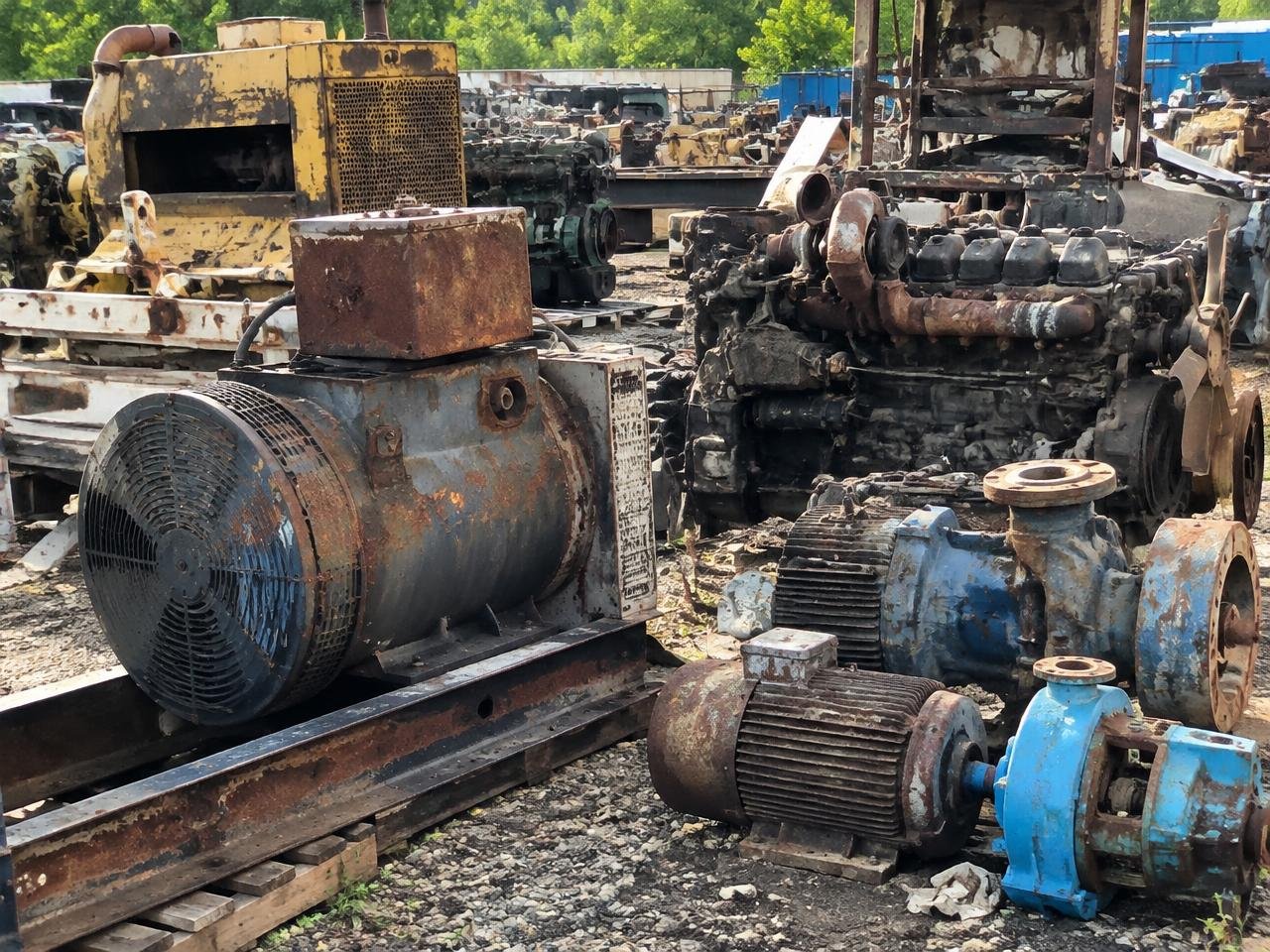
Scrap is a normal by-product of industrial work. Managed well, it frees up space, reduces handling risks and returns material to the recycling chain.
Start with visibility
Know where scrap is generated, what materials are involved and roughly how much accumulates over a typical period. Even a simple log helps you plan.
Segregate at the source
Separate bins or areas for different metals — steel, aluminium, copper, stainless — are one of the most effective improvements a site can make. Segregated material is easier to handle and generally easier to value.
Keep scrap clean
Remove plastics, wood, rubber and general waste where practical. Contamination complicates recycling.
Keep hazards out
Fluids, refrigerants, batteries, pressurised containers and chemicals must be handled through the appropriate channels and should never be mixed into general metal scrap. Follow the regulations and guidance that apply to your activities.
Store safely
Stack material stably, keep walkways clear and avoid sharp edges protruding into work areas.
Work with a scrap trader early
Talking to a scrap trader before material piles up lets you agree practical arrangements for recurring or one-time quantities.